
The House We Dreamed Of
Dreams can come true, but sometimes they cost more than we ever imagined. This week's story asks a simple question: what happens when the life you've worked so hard to build no longer feels like home?
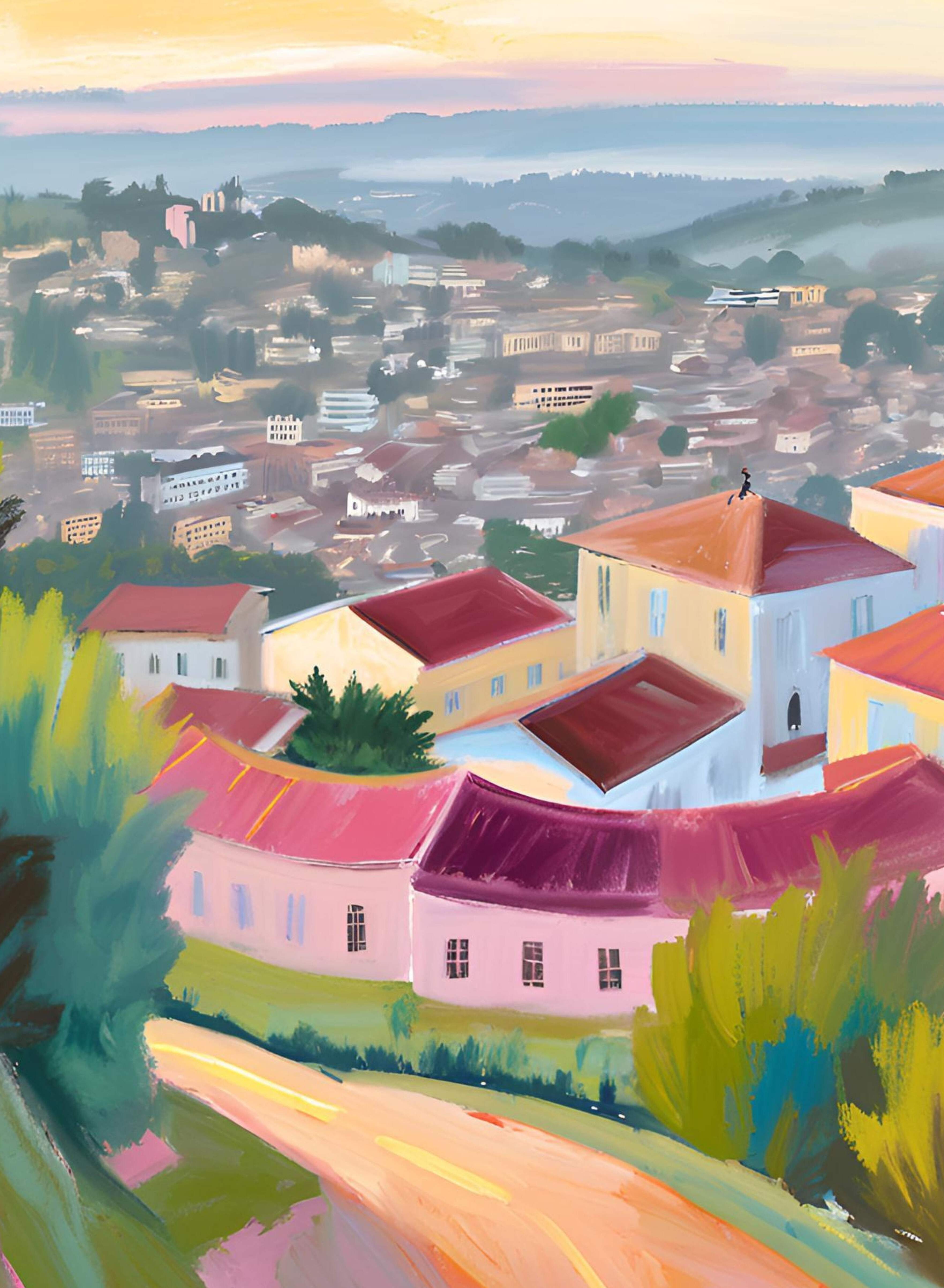
The day the movers brought in the last piece of furniture, everyone said I should have been the happiest woman alive. After all, this was the house we had talked about since the year we got married.
A two-storey home with a wide balcony overlooking the garde. It had a kitchen so large I could finally stop bumping into cupboard doors whenever I cooked, and enough bedrooms that our children would never again have to share.
When my husband handed me the keys, his eyes shone with pride.
“We did it,” he said.
I smiled because I knew how much those words meant to him. But somewhere deep inside me, something refused to celebrate. I stood in the middle of that beautiful sitting room, surrounded by the brand-new furniture, and all I could think about was everything we had lost along the way.
People think houses are built with blocks and cement.
Not always. Sometimes they are built with birthdays, anniversaries, missed school plays or promises that kept being postponed because there was always one more payment to make.
When Tunde and I got married twelve years ago, we rented a small two-bedroom flat in Surulere. It wasn't much, but it was ours. Every evening, we cooked together in that tiny kitchen. On Fridays we would buy suya from the man at the junction and sit on the balcony laughing about our neighbours. Some weekends we would take long walks because neither of us could afford restaurants.
We had very little, but we had time.
Then everything changed the year Tunde bought the land. He came home one evening carrying the documents like they were a newborn baby.
“I've bought it,” he announced before I even had the chance to ask why he was smiling so much.
I hugged him so tightly that day.
“This is where we'll build our forever home,” he whispered.
I believed him. Back then, I thought building a house simply meant saving money. I had no idea it would slowly take over our entire lives.
The overtime at work started first. Then the weekend contracts. Eventually, Tunde started a side business after office hours, telling me it would only be for a little while until we got ahead. Little while became years.
The children stopped asking if Daddy would make it to Sports Day because they already knew the answer.
Whenever he did manage to come home early, his phone never stopped ringing. If it wasn’t contractors, it was electricians, bricklayers or roofing suppliers. There was always another problem waiting for him at the site.
Even when he sat beside us, his mind was somewhere else. Sometimes I would catch him staring at building plans while our youngest daughter was trying to show him something she had made at school.
He would smile absent-mindedly and say, “Very nice, sweetheart.”
Then he would go back to calculating costs.
I don't think he even realised he had stopped seeing us. Our holidays disappeared first. “Next year,” he would say.
Birthdays became simple dinners at home.
The children stopped asking for family trips because they knew the answer before they finished the question.
Whenever I complained, Tunde would take my hands and say the same thing.
“Babe, it's temporary.”
“We're doing this for the children. They’ll thank us one day.”
I wanted to believe him, so I kept quiet and tried to adjust. I stretched every naira and cancelled things I wanted until I became used to eating dinner alone. Then I learned how to attend parents’ evenings by myself.
I comforted our disappointed children with excuses that grew harder to believe each year. Then, one evening, our eldest son looked at me and asked a question I still haven't forgotten.
“Mummy... does Daddy live with us?”
I laughed because I thought he was joking.
But he wasn't. That question sat in my chest for weeks.
Still, the house kept growing.
Friends would drive past the site and call to congratulate us.
“You people are building something serious!”
I smiled every time but inside, I wondered whether anyone could see the cracks that didn't show on the walls.
Seven years later, the house was finally finished.
The family gathered outside while the pastor prayed. People admired everything, especially the cinema room. They said we had arrived. Perhaps we had but that first night, after everyone had gone home, I walked through each room alone. Every room reminded me of something we had postponed.
The dining room reminded me of all the family dinners Tunde had missed. The guest room reminded me of the holidays we never took, and the beautiful garden reminded me that I could not remember the last time we had sat outside together just to talk.
The house was magnificent, but it did not feel like home.
A few days later, Tunde found me packing a small suitcase.
“Where are you going?” he asked.
“I'm going back to the flat.”
He stared at me as though I had spoken another language. “The flat?”
“Yes.”
“Why? What did we forget?” he asked looking confused.
What did we forget? Was he serious?
I looked around the room before answering. “Nothing. I’m going back because I don't recognise the life we built to get here.”
For the first time in years, he was completely silent. He thought I was rejecting the house, but I wasn't. I was grieving the years we could never get back.
Sometimes I wonder if I am being unfair.
Perhaps every dream demands sacrifice or may be this is simply what building a better future looks like. May be some dreams become so expensive that by the time we finally achieve them, we no longer recognise the people we were trying to build them for.
So tell me... If your dream home cost you years of family memories, would you still think the price was worth paying?
Join the newsletter (it’s free) to unlock commenting on this story. It takes a few seconds and you’ll come right back here to post.
Prefer the full page? Subscribe on the newsletter page ›